

Bio Based Cushioned Trays for Medical Devices and Pharmaceutical Kits - Purity and Sterilization Parameters
Nov 09, 2026
Global medical packaging converters face two non-negotiable constraints for fiber-based instrument trays: feedstock contamination risk and predictable bioburden pre-sterilization performance. This document defines our fixed material and process specifications for molded pulp cushioned trays intended for diagnostic kits and single-use pharma assemblies.
Material Purity Control: 100% Virgin Bagasse / Bamboo Pulp, PCR Exclusion
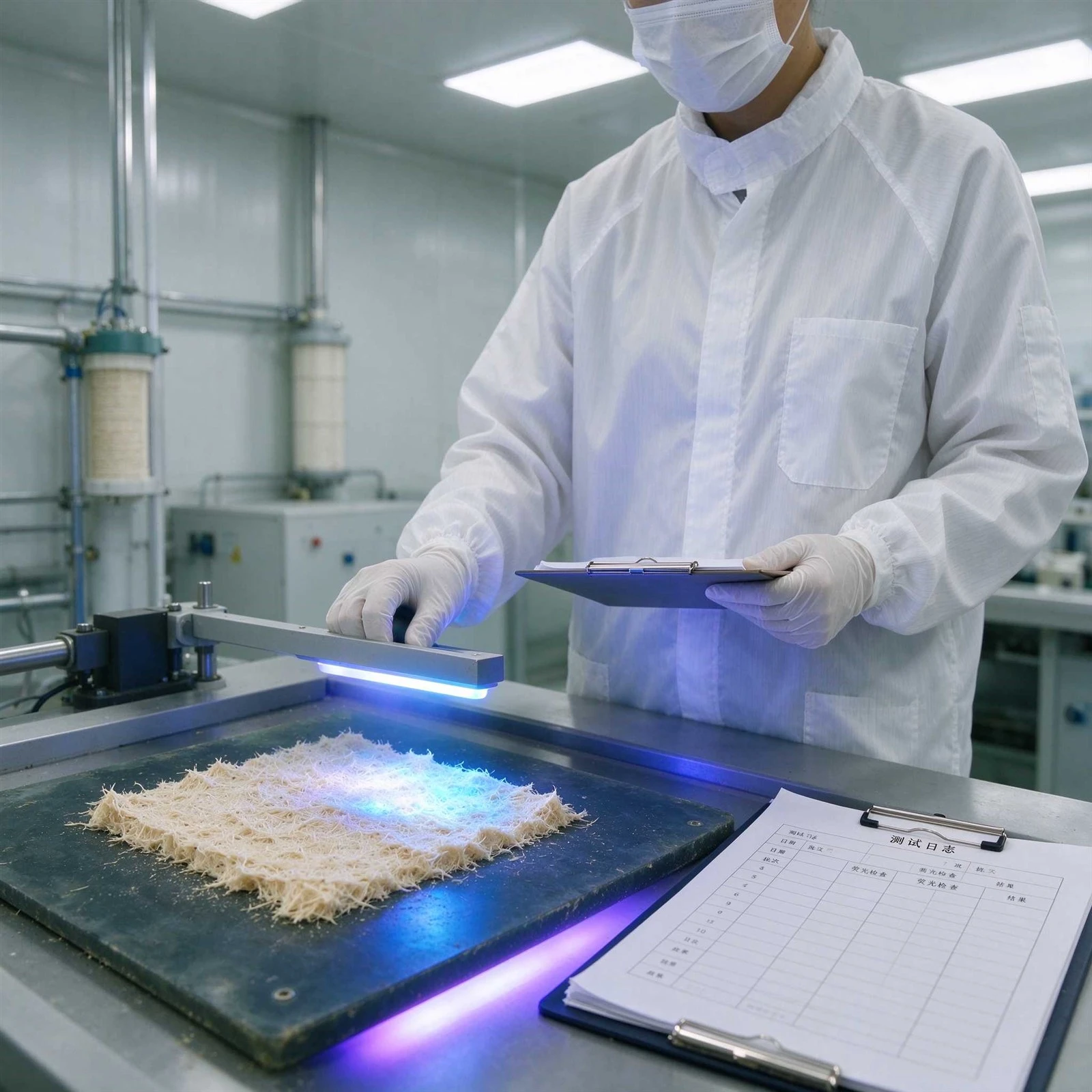
All medical-grade pulp tray production runs use only virgin sugarcane bagasse pulp or virgin bamboo pulp. Post-consumer recycled pulp is locked out from this production cell, as deinking cannot consistently remove trace FWAs, ink residues and heavy metal carryover to pharma acceptance thresholds. Fixed incoming test thresholds:
- Pb, Cd, Hg, As screening conforming to FDA 21 CFR 176.300 and EN 13432
- Ash content ≤3.8% to reduce particulate shedding
- Zero intentional fluorescent whitening agents; UV batch screening per lot
- Lot retention of pulp mill certificates, delivery logs and lab reports for 7 years
Raw pulp bales are stored in a segregated dust-controlled warehouse. Production scheduling implements hard changeover locks: medical pulp campaigns run separately from consumer packaging runs, with full line purge and surface wipe-down between batches.
Need material certificates for your packaging validation?
Request Pulp Batch Test Dossiers
Process Controls: Dust Extraction and High-Temperature Drying Decontamination
Cushioned ribbed tray geometry traps airborne particulate more readily than flat food-service pulpware. Forming, trimming and transfer stations are fitted with positive-pressure dust extraction. Production zone air filtration meets ISO 14644-1 Class 8, with particle count logs captured every 4 hours. Trimming scrap is continuously evacuated.
Post-forming tunnel drying runs at 160–175°C, calibrated to bring residual moisture to 4.0%–6.5%. Moisture above 7.0% elevates bioburden and impairs EtO cycle stability. This thermal treatment achieves vegetative bacterial load reduction; it is not terminal sterilization.
| Sterilization Method | Validated Operating Window | Material Performance Notes |
| Ethylene Oxide (EtO) | 45–55°C, 30–70% RH, 2–6 hr dwell | Low outgassing; requires 12–24 hr aeration |
| Gamma Irradiation | 25–40 kGy | No measurable fiber brittleness within dose range |
| E-beam Irradiation | 20–35 kGy | Suitable for low-mass diagnostic kits; repeat passes prohibited |
| Steam Autoclave | 121°C, 15 psi | Not recommended; warpage and delamination occur |
Tray Geometry and First Article Inspection Protocol
Cushion rib structure, wall thickness and corner radii are tuned to match defined static load and drop criteria per ISTA-1A. Standard wall thickness range: 1.8 mm to 3.2 mm, with localized reinforcement ribs at high-impact contact zones. All first articles undergo dimensional check, weight variance audit, moisture measurement and particulate release testing before mass release. Custom CAD tooling is available for non-standard device cavities.
Submit your drawing for FAI sample scheduling.
Share Packaging Drawings for Sampling
FAQ
Q: Can PCR pulp be substituted to lower declared carbon impact?
A: PCR pulp is excluded for this medical grade. Contaminant residual risk cannot be reliably mitigated. LCA data for virgin feedstock is available on request.
Q: Are finished trays supplied sterile from the factory?
A: Trays ship with controlled baseline bioburden only. Final sterilization is completed by the packager, supporting ISO 11607 validation.
Q: Can these pulp trays seal to Tyvek lidding films?
A: Surface energy and flatness can be adjusted during tooling trials. Seal strength and peel testing are included in FAI scope.